







How catteries prevent feline upper respiratory infections

Feline upper respiratory infections are common in environments where cats share space, particularly when animals arrive from different homes or experience stress. These infections can involve viruses such as feline herpesvirus and calicivirus, along with secondary bacterial infections. A well-run cattery cannot eliminate every risk, but it can substantially reduce exposure, support feline immunity and spot early symptoms before they spread.
Vaccination and health screening reduce the risk before arrival
Prevention begins before a cat enters the facility. Reputable catteries ask owners for proof that core vaccinations are current, including protection against feline herpesvirus and calicivirus. Vaccination does not always prevent infection completely, but it can reduce the severity of illness and limit viral shedding.
Many facilities also require a pre-stay health declaration. Owners may be asked whether their cat has recently shown signs such as sneezing, nasal discharge, coughing, watery eyes, reduced appetite or lethargy. Cats with active symptoms should not be admitted until they have recovered and received veterinary guidance.
Some catteries set a waiting period after a respiratory illness. This precaution recognises that a cat may continue to shed certain viruses after visible symptoms have improved. Clear booking policies protect resident cats as well as the recovering animal.
For vaccination advice, cattery managers and owners can refer to the AAFP feline vaccination guidelines, which discuss risk-based protection for cats in different living situations.
Separate accommodation limits cross-contamination
Physical separation is one of the strongest defences against respiratory disease. Cats should have individual, enclosed accommodation rather than open pens where nose-to-nose contact is possible. Solid partitions between units help prevent droplets from sneezes reaching neighbouring cats.
Catteries can further lower risk by grouping cats thoughtfully. Cats from the same household may stay together when they are compatible, while cats from separate homes should remain apart. New arrivals should not be housed next to vulnerable residents, such as kittens, elderly cats or cats with known health concerns.
Dedicated equipment for each cat also matters. Food bowls, water dishes, litter trays, bedding, toys and grooming tools should not move between units unless they have been properly cleaned and disinfected. Staff should avoid carrying items from one enclosure to another without following hygiene procedures.
Isolation plans protect the wider cattery
Even with careful screening, a cat can develop symptoms during its stay. A cattery needs an isolation area that is separate from the main boarding rooms, ideally with its own ventilation route and cleaning equipment.
If a cat begins sneezing repeatedly or develops eye or nasal discharge, staff can move it promptly to this area and contact the owner. Veterinary assessment may be needed, especially when a cat stops eating, appears dehydrated or has breathing difficulty. Isolation reduces the chance that droplets, contaminated hands or shared surfaces will expose other cats.
Rigorous cleaning breaks the infection cycle
Feline respiratory viruses can spread through secretions left on surfaces, bedding and human hands. Effective cleaning is therefore more than making a unit look tidy. Staff should first remove organic material, then use a disinfectant that is suitable for feline pathogens and applied for the full contact time stated by the manufacturer.
High-touch surfaces deserve particular attention. Door handles, latch mechanisms, feeding stations, litter scoop handles, weighing scales and reception counters can become contamination points if they are overlooked.
Cleaning routines are safest when staff move from healthy cats to higher-risk areas, with isolation spaces attended last. Hands should be washed or sanitised between cats, and gloves should be changed when contaminated. Protective clothing used in isolation should stay there or be laundered appropriately.
Good ventilation also supports hygiene. Fresh, clean air helps reduce humidity and stale odours, while well-maintained ventilation systems can limit the movement of airborne particles between rooms. Airflow should never blow directly from an isolation room into shared areas.
Calm routines support a cat’s natural defences
Stress can reactivate feline herpesvirus in cats that carry it silently. Boarding is unfamiliar for many animals, so a calm environment forms part of infection prevention. Quiet handling, predictable feeding times and secure hiding spaces can make a meaningful difference.
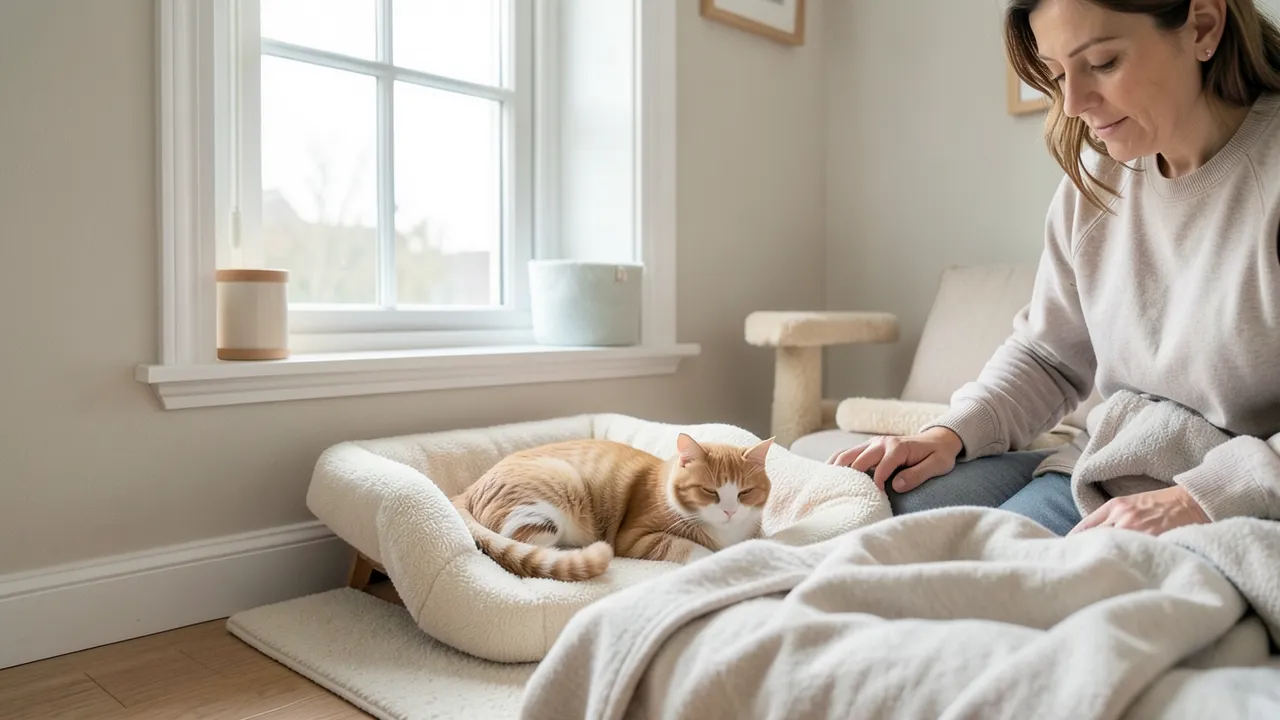
Each cat benefits from a clean bed, an appropriate temperature and familiar items from home where permitted. Owners can prepare effectively by reviewing What to pack for your cat's cattery stay, including suitable bedding or comfort items that carry familiar scents.
Staff should monitor food and water intake every day. A stressed cat may eat less, and poor intake can quickly affect recovery if illness begins. Recording observations makes small changes easier to identify, particularly in cats that are naturally quiet or nervous.
Trained staff notice changes early
Early recognition is often the difference between an isolated case and a wider outbreak. Experienced staff know that respiratory infections may begin with subtle signs: a single sneeze, squinting, a damp nose, noisy breathing or less interest in food.
Daily individual health checks allow staff to compare each cat with its usual behaviour. Notes should cover appetite, toileting, activity, eyes, nose and breathing. When signs appear, quick action can protect the affected cat and the rest of the facility.
A safer stay relies on consistent routines
A cattery’s infection-control plan works best when every member of staff follows the same standards, from booking procedures to cleaning records and illness reporting. Owners also contribute by providing accurate health information and delaying boarding if their cat is unwell.
Key practices include:
- Checking vaccination records and recent health history before admission.
- Providing separate, well-ventilated accommodation for unrelated cats.
- Using cat-specific bowls, litter trays, bedding and cleaning tools.
- Cleaning and disinfecting surfaces with products suited to feline pathogens.
- Maintaining an isolation area for cats that develop symptoms.
- Reducing stress through gentle handling, quiet spaces and familiar routines.
- Monitoring every cat daily for early respiratory signs.
When these measures are applied consistently, catteries provide a more comfortable and health-conscious boarding environment. Your cat benefits from attentive care, while the facility reduces the likelihood that a short stay becomes an unwanted illness.