







What to pack for your cat's cattery stay
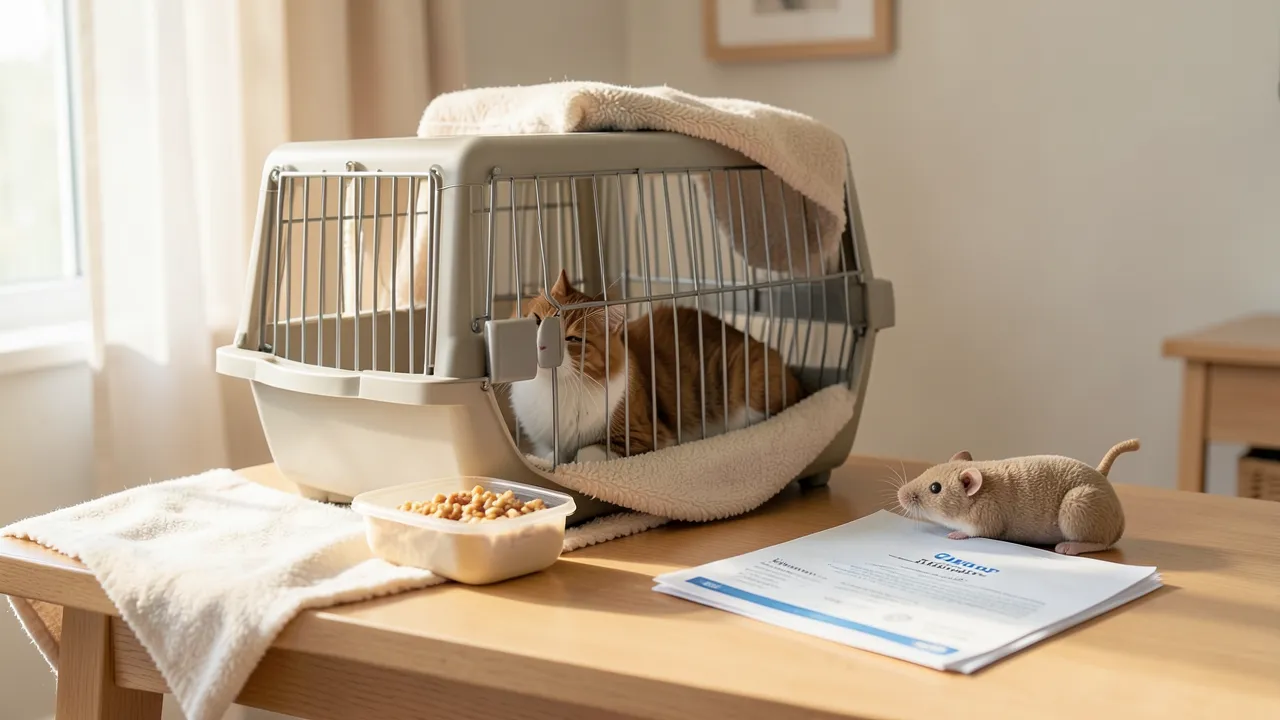
Leaving your cat in a cattery can feel like packing for a very small, very opinionated traveler. The right preparations help your cat settle faster, reduce stress for you, and give the cattery team everything they need to provide consistent care. A thoughtful packing list does more than cover the basics: it supports your cat’s routine, comfort, and safety from the moment you hand over the carrier.
Start with the essentials your cat already knows
Cats usually settle better when familiar scents and routines come with them. Begin with the items that are already part of everyday life at home.
Food and feeding instructions
Send enough of your cat’s usual food for the full stay, plus a little extra in case plans change. Sudden food swaps can upset digestion, so keep the diet consistent. If your cat eats wet food, portion it clearly and label each container with the feeding time and date.
You should also include written instructions for:
- meal times and portion sizes
- treats allowed, if any
- food sensitivities or allergies
- how to handle picky eating
If your cat needs a special diet, double-check that the cattery can store and serve it correctly.
Medication and health details
If your cat takes medication, pack it in original packaging when possible and provide exact dosage instructions. Add any useful notes about administration, such as whether the tablet should be given with food or hidden in a treat.
Include:
- vaccination records
- parasite treatment information
- vet contact details
- emergency contact details for yourself
For a useful reminder on health preparation, you can review Cat vaccinations and parasite control before UK cattery stays.
Bring comfort items that smell like home
A cattery provides safety and care, but your cat may still feel more secure with familiar textures and scents. A few well-chosen comfort items can make a real difference.
Bedding, blankets, and favourite scents
Pack a small blanket, a washable bed, or a towel your cat likes to sleep on. Something that carries your scent can be reassuring too. If your cat sleeps with a soft fleece or a cushion from home, that item may help them relax in the first night or two.
Choose items that are:
- washable
- durable
- not too bulky
- safe if your cat kneads or mouths fabrics
If your cat is prone to stress, ask the cattery whether they can keep the item in the sleeping area rather than the play area.
Toys and familiar enrichment
A toy from home can help your cat feel more at ease, especially if it is a favourite that smells familiar. A small selection is usually enough: one soft toy, one wand toy if the cattery allows supervised play, or one ball your cat likes to bat around.
Avoid packing anything fragile, noisy, or easy to lose. Small bells, loose string, and breakable parts can create problems in shared or supervised spaces.
Label everything clearly before you leave
A cattery team may care for several cats at once, so clear labels prevent confusion and help the staff follow your instructions quickly.
What to write on each item
Label food tubs, medication, and any bedding you want returned. Use your cat’s name, your surname, and the dates of the stay. If there are separate feeding instructions for morning and evening, mark those clearly on the containers.
A simple checklist on a sheet of paper can also help. Include:
- your cat’s name
- arrival and collection dates
- feeding plan
- medication schedule
- vet and emergency contact numbers
- any behavioural notes, such as “shy with strangers” or “prefers quiet handling”
This extra layer of organisation reduces the chance of mistakes and makes handover smoother.
Think about what not to pack
Some items are better left at home unless the cattery asks for them specifically. The aim is to keep your cat safe and avoid clutter.
Items best avoided
You generally do not need to send:
- large amounts of toys
- breakable bowls
- unlabelled food bags
- loose treats of unknown origin
- any item with dangling parts that could snag
If your cat is especially territorial, too many home items may cause confusion rather than comfort. A few familiar objects usually work better than a full basket of belongings.
Special instructions that help the cattery team
If your cat has habits that affect daily care, write them down in plain language. For example, note whether your cat hides under bedding, dislikes being picked up, or needs a quiet feeding space. The more the staff understand your cat’s preferences, the easier it is for them to provide calm, consistent care.
A simple packing checklist for departure day
Use this list as a final check before leaving home:
- enough of your cat’s usual food for the full stay
- clearly labelled medication and dosage notes
- vaccination and parasite treatment records
- vet and emergency contact details
- a familiar blanket, bed, or towel
- one or two safe toys
- written care instructions
- any approved treats
- labels for all belongings
If you are organising your first cattery stay, this practical approach removes much of the guesswork. Familiarity, clarity, and safety matter more than quantity.
Make the handover easier for everyone
On the day of departure, keep the packing process calm and straightforward. Place everything together in one bag or box, with the most urgent items on top. If possible, give the cattery team a few minutes to review your instructions before you leave.
Final checks before you travel
Before heading out, confirm:
- the cattery has your correct contact details
- your cat meets health and vaccination requirements
- food and medication are packed for the full stay
- all items are labelled
- you have noted any changes to collection time
A smooth handover helps your cat start the stay with less disruption. The goal is not to send everything your cat owns, but to send the right things.
A calm start for your cat’s stay
When you pack with your cat’s routine in mind, you give them a better chance of settling in quickly. Familiar food, clear instructions, and a few reassuring home comforts can turn a stressful drop-off into a manageable transition. With the basics covered, you can leave knowing your cat has what they need for a safe and comfortable stay.
Key points to remember before you pack
- Send your cat’s regular food and written feeding instructions.
- Pack medication with exact dosage details and vet contacts.
- Include a familiar blanket, bed, or towel for comfort.
- Add one or two safe toys, not a large collection.
- Label every item clearly with your cat’s name and stay dates.
- Share behaviour notes so the cattery can care for your cat properly.
- Avoid fragile, unlabelled, or potentially unsafe items.