







How catteries manage cat feeding routines
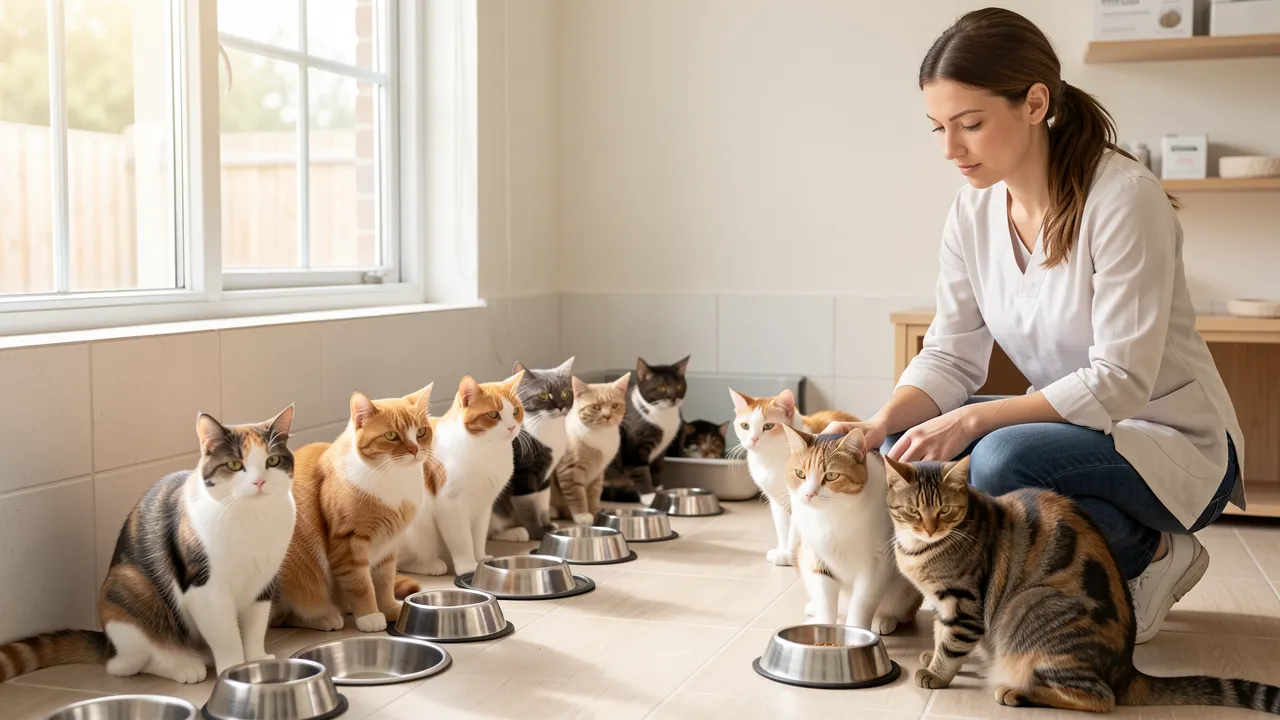
A well-run cattery treats feeding as part of each cat’s daily care plan, not as a single task completed at a fixed hour. Cats may arrive with different diets, medical needs, appetites and feeding behaviours. By gathering clear information before a stay and following consistent routines, staff can help each guest eat comfortably while giving owners reassurance that familiar habits are being respected.
Every feeding plan begins with accurate information from the owner
Before admission, cattery staff usually ask what food a cat eats, how much is offered, when meals are served and whether treats are part of the normal routine. Owners should also mention food allergies, sensitive digestion, prescription diets, dental difficulties and any recent changes in appetite.
This information is recorded on the cat’s care sheet. A detailed sheet may include the brand and flavour of food, whether it is dry, wet or mixed, portion sizes, feeding frequency and the preferred bowl type. Some cats refuse cold food, while others eat more readily from a shallow ceramic dish rather than a deep bowl.
Medical diets require especially careful handling. A cat on kidney, urinary, gastrointestinal or diabetic food should not be given alternative products without the owner’s agreement and, where relevant, veterinary direction. For older guests, the feeding record may sit alongside notes about medication and mobility. Owners arranging Senior cat boarding and medical care in South East London can also consider how age-related changes, such as reduced appetite or dental sensitivity, affect meal planning.
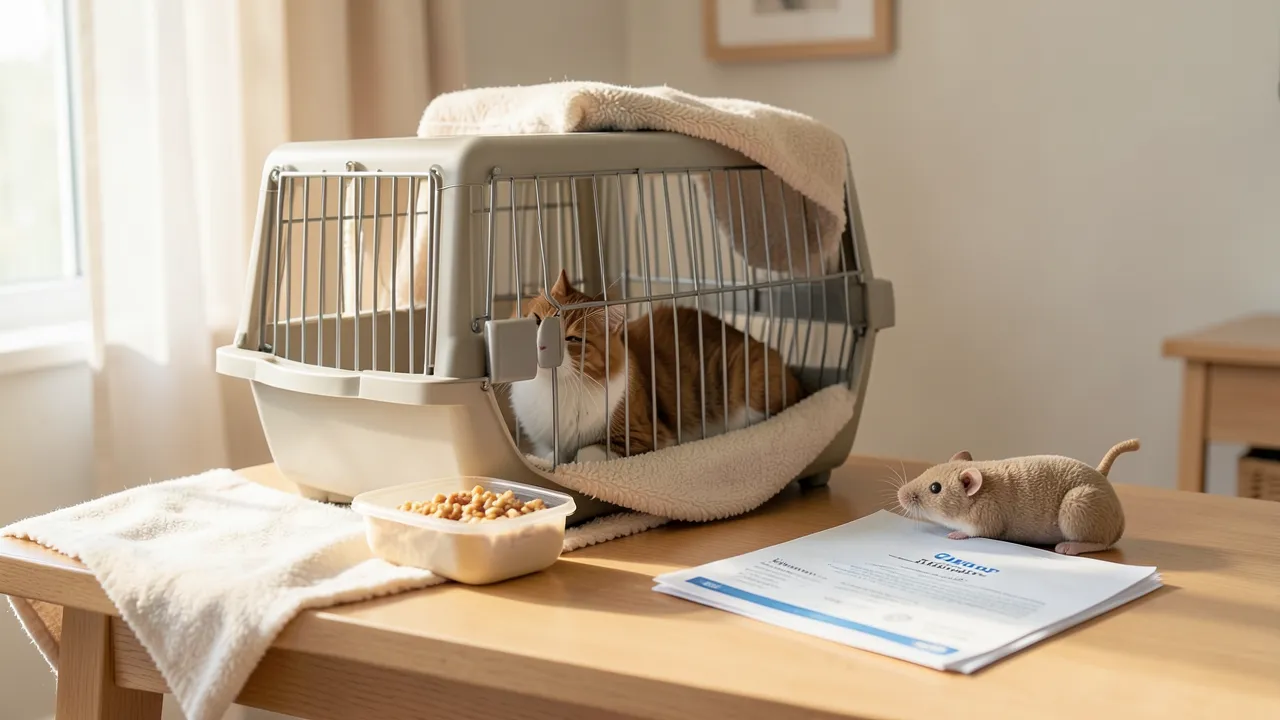
Staff generally check supplied food on arrival, confirming that there is enough for the full stay. If the cattery provides food, the transition should be discussed in advance. Sudden dietary changes can cause digestive upset, particularly in anxious cats.
Familiar routines help cats settle
Many cats eat best when their regular schedule remains intact. A cat accustomed to breakfast and supper may become unsettled if food is available only once a day. Catteries therefore organise their working day around reliable meal times, with flexibility for individual needs.
Small, frequent meals may suit kittens, senior cats, cats with sensitive stomachs and those who naturally graze. Food should not be left down for extended periods if it is wet, as this can affect freshness and hygiene. Dry food may be measured and offered in controlled portions where appropriate.
Clean preparation and observation protect feline health
Food preparation areas in professional catteries are kept separate from accommodation and cleaned routinely. Staff wash hands between tasks, use clean utensils and label food containers to prevent one cat’s diet being mixed with another’s. Separate storage is particularly useful where several guests have similar packaging or special feeding instructions.
Bowls are washed and refreshed regularly. Fresh drinking water should be available throughout the day, with bowls positioned away from litter trays. Some cats drink more from wide bowls, while others prefer a water fountain at home. During boarding, a stable and hygienic water routine is usually preferable to introducing unfamiliar equipment.
A visit before booking lets you observe the standards for yourself. When you Visit a cattery in South East London and Kent safely, ask where food is prepared, how bowls are cleaned and how individual diets are identified. You may also ask how staff record meals and what happens if a cat leaves food untouched.
Appetite checks are as useful as the meal itself
Staff do more than place a bowl in the pen. They monitor whether the cat eats, how much remains and whether there are signs of nausea, discomfort or food guarding. A brief daily record can reveal changes that might otherwise be missed.
A newly boarded cat may eat less during the first day because of travel and unfamiliar surroundings. Gentle encouragement, a quiet environment and familiar food can help. However, prolonged refusal to eat warrants prompt attention. Cats should not go without food for long periods, especially overweight cats, which can face serious health risks after sustained fasting.
If a cat’s appetite changes, the cattery should contact the owner and follow its veterinary procedure. Staff may need to confirm whether a favourite food, warmed wet meal or different serving method has previously helped. Any significant concern should be referred to a vet rather than managed through guesswork.
Separate spaces prevent competition and dietary mistakes
Cats are usually fed individually in their own accommodation. This reduces stress and allows staff to know exactly what each guest has eaten. It also prevents a hungry cat from taking food intended for another, a particular concern when prescription diets are involved.
For cats boarding together, feeding requires additional planning. Bonded cats may happily share a room yet prefer separate bowls placed at a comfortable distance. Others eat quickly, guard food or attempt to swap meals. Guidance on Multi cat boarding for bonded and conflicted cats can help owners decide whether shared accommodation and shared meal times are suitable.
Staff may supervise paired cats during meals, remove bowls after a suitable period and report any change in the relationship. A previously relaxed pair can become tense in an unfamiliar setting, particularly around food. Individual feeding stations offer a practical solution without disrupting the cats’ companionship.
A dependable feeding routine supports a calmer stay
Owners can make boarding arrangements smoother by providing clear written instructions and enough familiar food for the booking, plus a little extra in case travel plans change. Honest information about fussy eating, medication and previous appetite problems allows staff to prepare properly.
Key points to remember include:
- Provide the cat’s usual food, portion guidance and feeding times.
- Declare allergies, prescription diets and digestive sensitivities.
- Ask how the cattery records food intake and responds to missed meals.
- Ensure bowls, utensils and food stores are clearly separated and hygienically managed.
- Discuss separate feeding arrangements for cats sharing accommodation.
A cattery with structured feeding procedures can adapt care to the individual cat while maintaining safe hygiene standards. For you, that means your cat’s meals remain familiar, monitored and carefully managed throughout the stay.