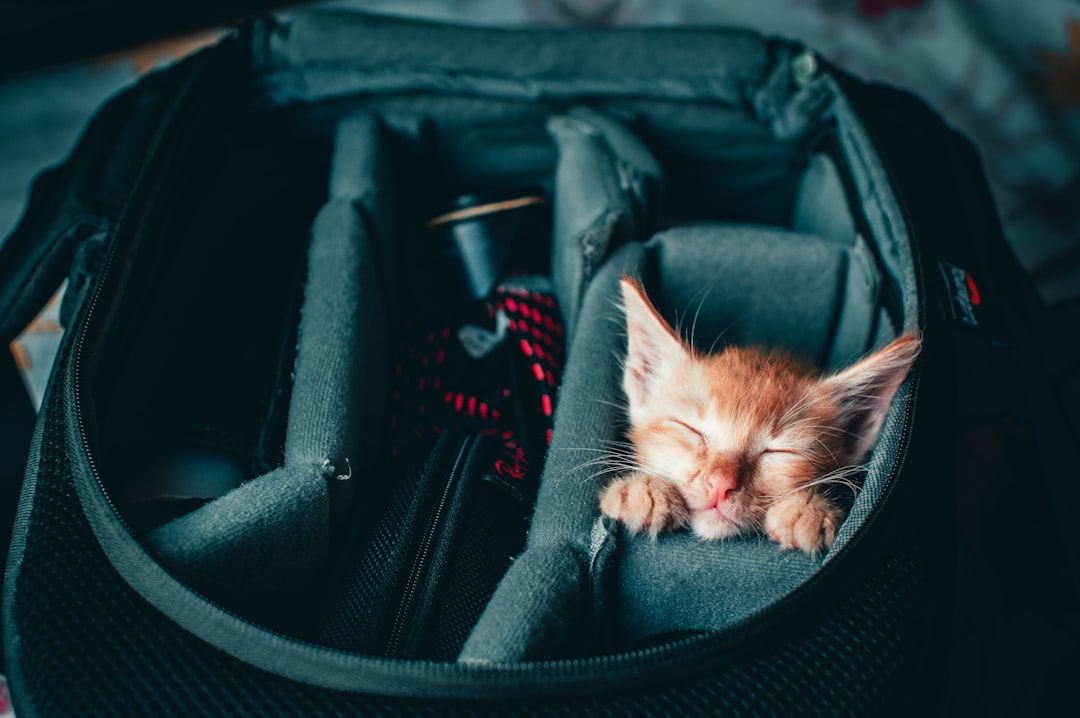








How to choose a cattery for shy cats
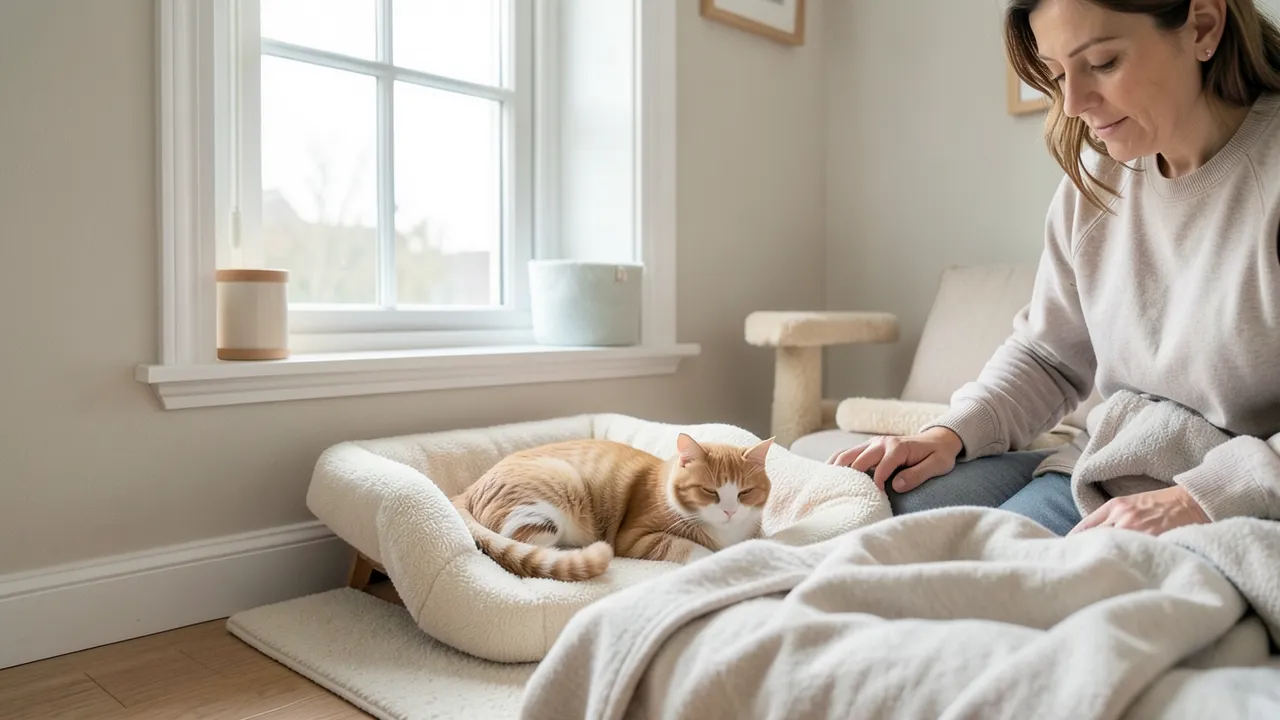
Choosing a cattery for a shy cat can feel delicate, because your cat may react to change with silence, hiding, or stress rather than curiosity. The right facility can make a genuine difference: calmer routines, thoughtful handling, and a space designed for timid personalities often help a nervous cat settle more easily. When you visit or speak with a cattery, you are not only checking cleanliness and price; you are judging whether the environment respects your cat’s need for security, predictability, and distance from overwhelm.
Why shy cats need a different kind of boarding environment
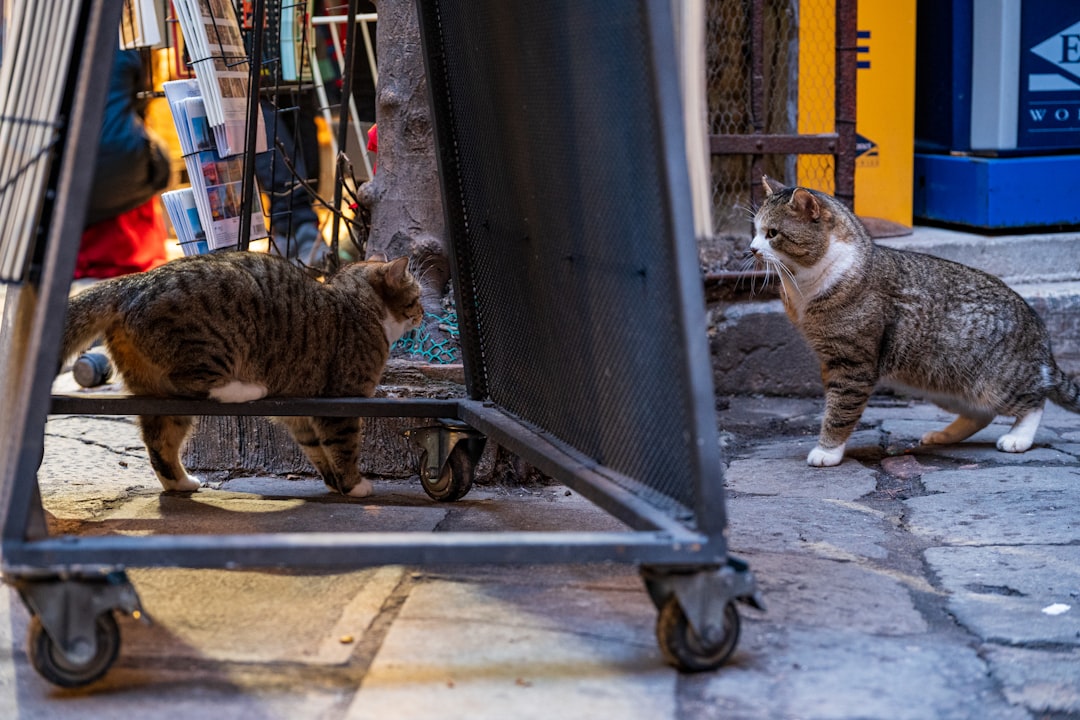
Shy cats rarely respond well to busy rooms, sudden noise, or too much human attention. A cattery that works beautifully for confident, social cats may be less suitable for a cat that prefers to observe from a safe corner. You should look for a place that understands feline body language and can adjust the pace of interaction.
Signs that a cattery understands timid behaviour
A suitable cattery will ask about your cat’s habits before you even book. Staff may ask where your cat hides at home, whether they accept handling, and what helps them settle. That kind of questioning shows they are thinking about the cat as an individual, not as a generic guest.
You may also want to ask how they handle feeding, cleaning, and health checks for cats that prefer minimal contact. Quiet routines, visual barriers, and consistent carers can help reduce the pressure on nervous animals.
How to assess the cattery environment before booking
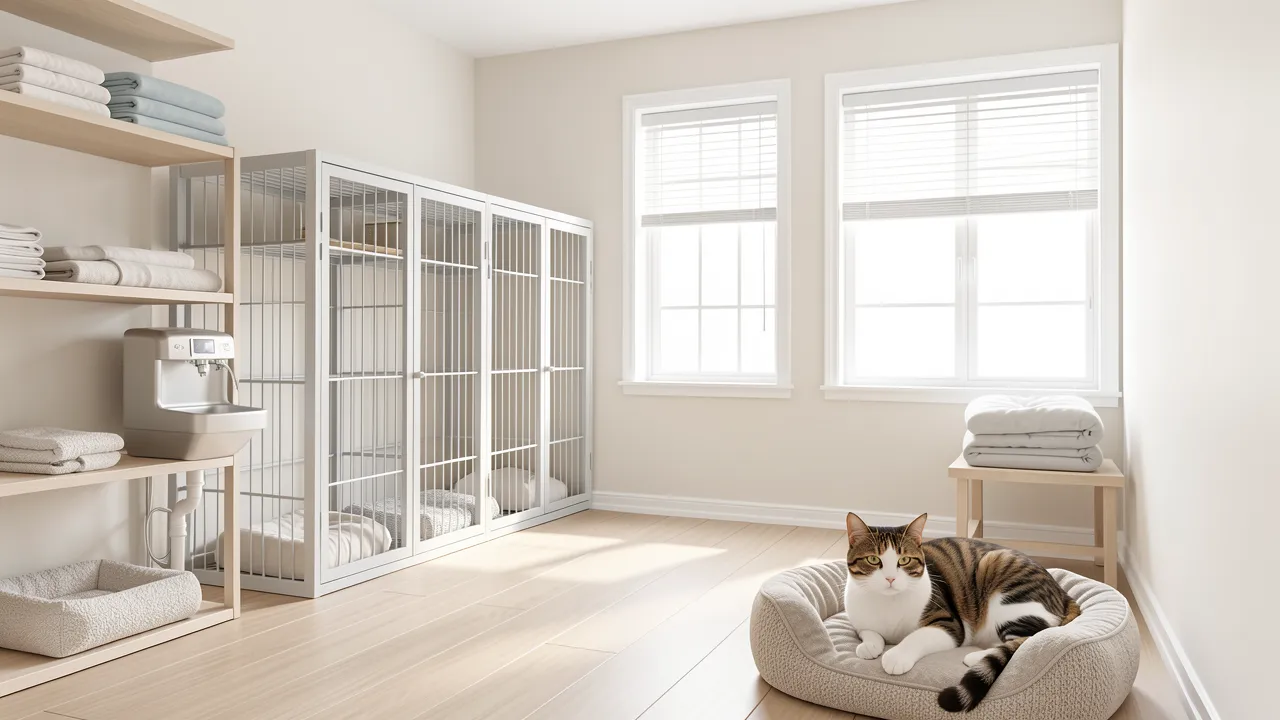
A visit can tell you more than photos ever will. When you arrive, pay attention to sound levels, odours, ventilation, and how cats are separated from one another. A shy cat often benefits from a calmer layout with fewer visual triggers.
If you want a practical way to judge the premises, the guide on Visit a cattery in South East London and Kent safely can help you prepare your questions and spot warning signs during a tour.
What to look for during a visit
Notice whether cats have private sleeping areas, elevated shelves, or covered sections where they can retreat. These features can give a reserved cat a sense of control. Also check whether the staff move calmly and speak softly around the enclosures.
Ask yourself whether the space feels orderly without being sterile. A good cattery should look clean, but also warm enough to avoid making a shy cat feel exposed.
Questions to ask about handling and routines
Your questions should focus on the details that shape daily life. How often will your cat be checked? Will the same person care for them each day? What happens if a cat refuses to eat or hides continuously? The answers can reveal whether the cattery is prepared for quiet, hesitant guests.
Handling methods matter more than you might think
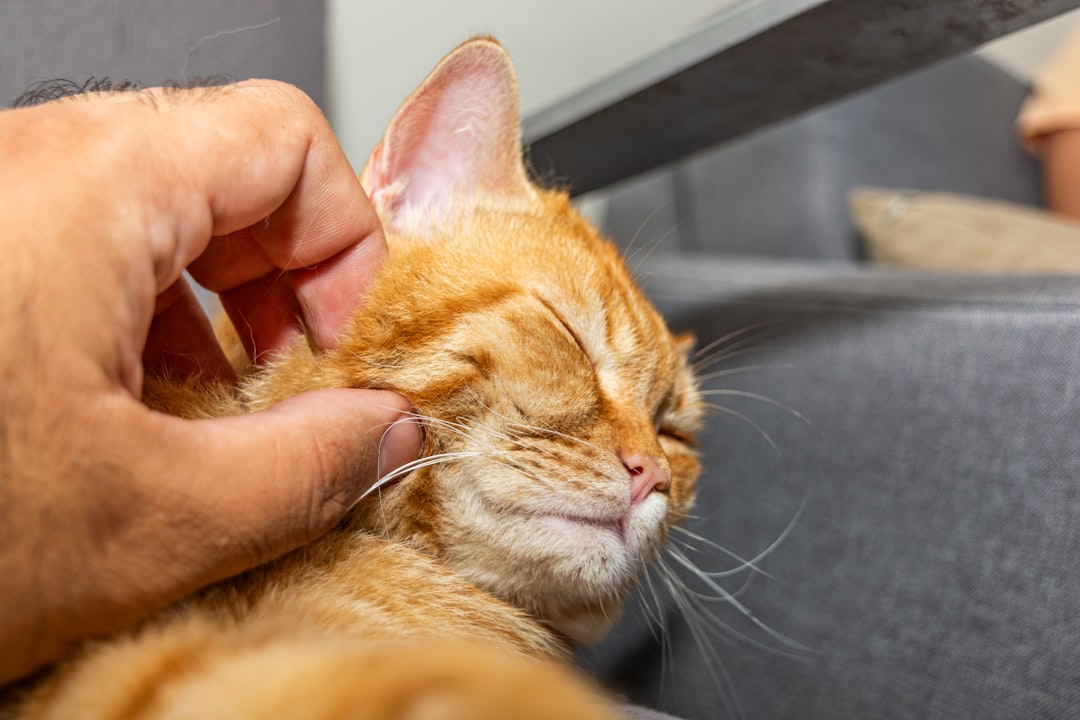
Some cats warm up slowly and never want direct interaction from strangers. Staff should respect that. A shy cat does best with patient, low-pressure handling, not repeated attempts to force contact.
You might also ask how the cattery introduces food, litter changes, and grooming. Gentle routines help a timid cat predict what comes next, which can reduce fear.
Matching services to your cat’s personality
Not every shy cat is the same. Some are merely cautious with strangers, while others are deeply sensitive to noise, movement, and unfamiliar smells. If your cat also has age-related needs or medication, the boarding plan should reflect that.
For older cats who are shy as well as physically vulnerable, the article Senior cat boarding and medical care in South East London offers a useful perspective on combining comfort with health monitoring.
When medical or age-related care is part of the picture
A reserved cat may not show discomfort clearly, so staff need to be observant. Ask whether they can notice subtle changes in eating, posture, toileting, or grooming. If your cat takes medication, confirm exactly how doses are recorded and administered.
The best cattery will not treat medical support as an extra favour. It will see it as part of a broader care plan tailored to your cat’s temperament and needs.
How to prepare a shy cat for boarding
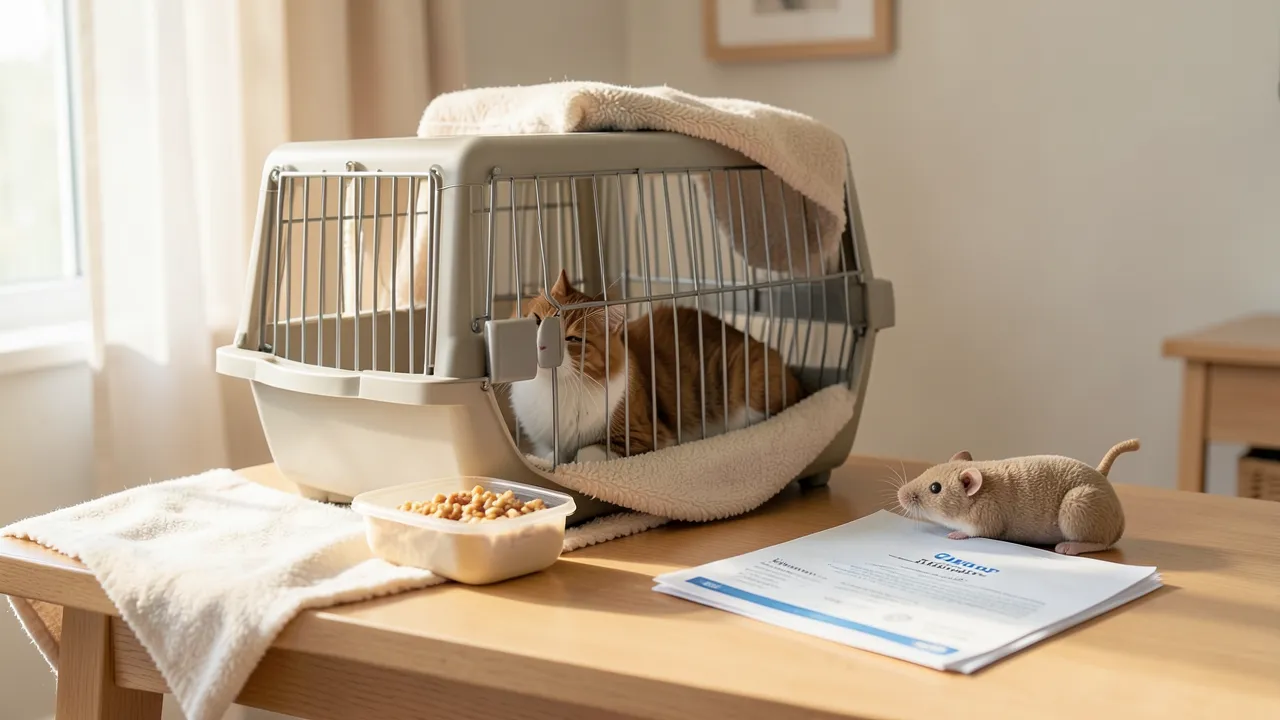
Preparation can make the first day easier. You can send familiar bedding, a blanket that smells like home, or a favourite toy. If your cat uses a particular food bowl or litter type, ask whether these can be used during the stay.
If your cat already worries about changes at home, the guide on Prepare anxious indoor cats for a stress free boarding stay may give you ideas that reduce stress before arrival.
Small steps that can help
Try to keep your departure calm and routine. Cats often notice tension quickly. If possible, book the stay with enough time to prepare without rushing.
You may also want to bring a written profile of your cat’s habits: appetite, hiding places, favourite treats, and what usually unsettles them. That small document can help staff act consistently from the first hour.
When more than one cat is involved
If your shy cat lives with another cat, boarding arrangements become even more sensitive. Bonded cats may calm each other, while conflicted cats may need separation to prevent tension from rising.
For homes with multiple cats, the article Multi cat boarding for bonded and conflicted cats explains how shared living can affect boarding decisions and why the relationship between cats should guide the setup.
Separation can be kinder than forcing togetherness
A timid cat may hide more if housed next to a dominant companion they already avoid. On the other hand, a bonded pair may become distressed if separated. A good cattery will ask about these relationships before suggesting a solution.
Key points to remember when making your choice
Before you book, keep these points in mind:
- Look for calm, tidy facilities with quiet routines.
- Ask how staff handle hidden, hesitant, or non-social cats.
- Check whether enclosures offer privacy, height, and retreat spaces.
- Match the boarding plan to age, health, and medication needs.
- Bring familiar items from home to support comfort.
- Give special attention to the relationship between cats if more than one will board.
A calmer boarding choice starts with the right questions
Choosing a cattery for a shy cat is less about finding the fanciest facility and more about finding one that respects restraint, routine, and individuality. When you ask careful questions and observe the environment closely, you improve the chances that your cat will feel safe enough to eat, rest, and settle. A thoughtful choice can turn boarding from a source of anxiety into a manageable experience, both for your cat and for you.