

How catteries manage cats with special diets
Cats with special diets can stay comfortably in a cattery when their food, feeding schedule, and medical needs are clearly planned before arrival. Whether your cat eats a veterinary prescription diet, follows a weight-management plan, needs limited-ingredient food, or requires carefully measured portions, good preparation helps staff provide consistent care throughout the stay. A reputable cattery will ask detailed questions, follow written instructions, and contact you or your veterinary practice if a concern arises.
Special diets should be discussed before you book
Tell the cattery about your cat’s dietary needs when making the first enquiry, rather than waiting until check-in. Some facilities can readily accommodate individual diets, while others may have limits around raw food, refrigerated products, injectable medication, or complex feeding routines.
Provide clear information about:
- The exact food brand, recipe, and flavour
- The daily quantity and number of meals
- Whether food must be weighed or measured
- Any foods, treats, or supplements your cat must avoid
- Medical conditions linked to the diet, such as kidney disease, diabetes, allergies, or urinary problems
- Your veterinary practice’s contact details
A cat on a prescribed renal diet, for example, may need wet food offered in several small portions to encourage appetite. A cat with food allergies may require strict separation from other foods and treats. Sharing these details early allows the cattery to decide whether its routines and facilities can support your cat safely.
Clear labelling protects your cat’s feeding routine
Most catteries ask owners to bring their own food for cats with special dietary requirements. This prevents sudden changes that can cause digestive upset and makes it easier to maintain a diet recommended by a vet.
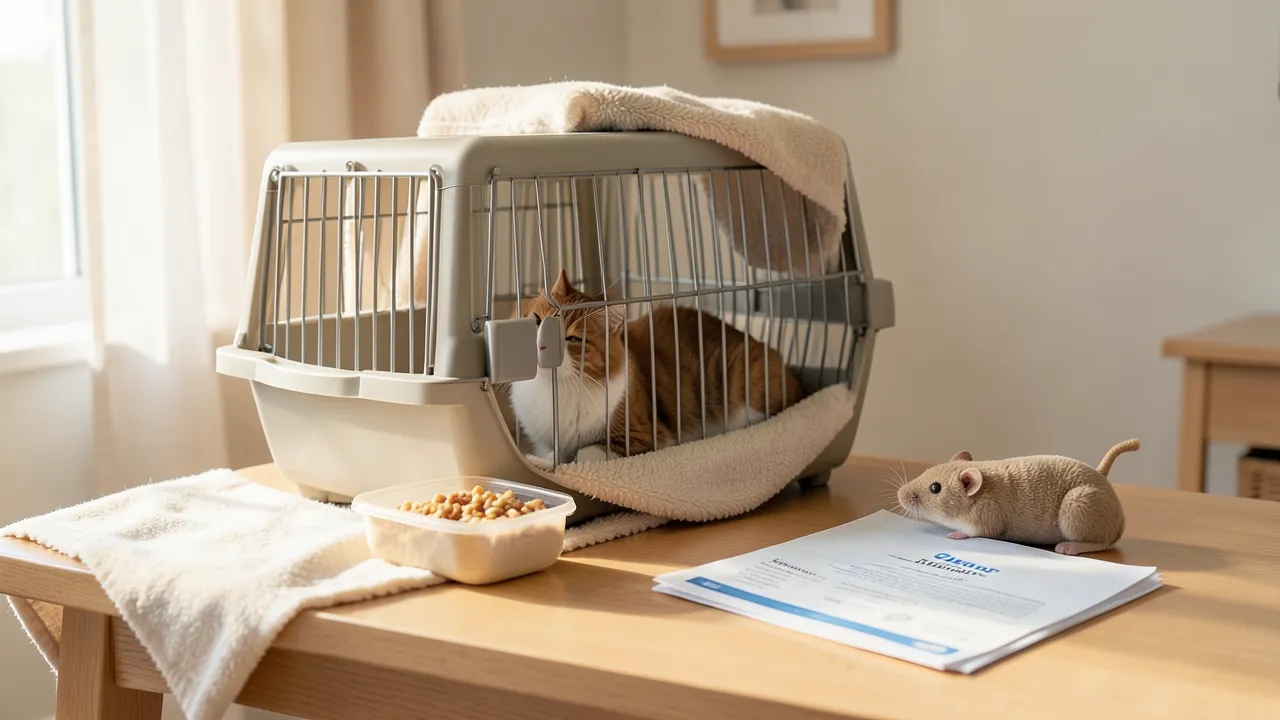
Pack enough food for the full stay, plus a small extra supply in case your return is delayed. Keep dry food in its original packaging where possible. For wet food, label each tray, pouch, or tin with your cat’s name. If portions are pre-measured, mark them by day and meal, such as “Tuesday breakfast” or “Friday evening”.
For refrigerated or frozen food, ask whether the cattery has suitable storage space. Raw diets need particularly careful handling to reduce contamination risks. Guidance from Cats Protection on feeding cats can help you review safe food choices and feeding basics before your cat’s stay.
Written instructions are useful even if you have explained everything verbally. Staff may work in shifts, and a concise feeding sheet gives every team member the same reliable reference.
Feeding notes should be practical and specific
Avoid directions such as “give a small amount” or “feed when hungry”. Instead, state the quantity, timing, and preferred method. For example: “Give 35 grams of dry veterinary diet at 7:30 am and half a pouch of wet food at 6:00 pm. Remove uneaten wet food after 30 minutes.”
Include details that may affect appetite. Your cat may prefer food warmed slightly, served on a flat plate, mixed with warm water, or placed away from the litter tray. These small preferences can make a substantial difference, especially for nervous cats.
Staff routines reduce the risk of mistakes
A well-run cattery separates food preparation from cleaning tasks and uses systems to prevent meals being mixed up. Individual feeding records, labelled bowls, and meal checklists help staff confirm that each cat has received the correct food and amount.
For cats with allergies or severe food sensitivities, ask how the cattery prevents accidental exposure to other diets. This may include washing utensils between cats, storing special food separately, and confirming that no standard treats are offered.
Some medical diets support ongoing conditions but do not replace veterinary monitoring. Staff should be able to observe whether your cat eats, drinks, urinates, and behaves normally. A reduced appetite can be a concern, particularly for older cats, diabetic cats, or those already managing illness.
If your cat is naturally anxious, your choice of boarding environment also affects feeding success. Quiet accommodation, patient handling, and familiar routines can encourage a reserved cat to eat. You may find useful questions in How to choose a cattery for shy cats.
Medication and diet plans need coordinated care
Cats receiving medication alongside a special diet need a complete care plan. Explain whether tablets can be given with food, whether your cat refuses food if medication is mixed into it, and what staff should do if a dose is missed or vomited.
Provide medication in its original labelled container and bring a current prescription or written veterinary directions where appropriate. Do not assume a cattery can alter a prescribed diet, give additional supplements, or change insulin timing without authorisation.
Ask the cattery what happens if your cat will not eat. Some cats eat less during the first day in unfamiliar surroundings, but prolonged refusal needs prompt attention. Agree in advance on when staff will call you, when they will contact your vet, and who may approve emergency treatment if you cannot be reached.
A careful handover supports a relaxed stay
At check-in, take a few minutes to review the feeding plan with a staff member. Confirm the amount of food supplied, the meal schedule, any prohibited items, and your emergency contacts. Bring a familiar blanket if the cattery allows it, as familiar scents can help some cats settle near their food bowl.
The best arrangements combine your knowledge of your cat with the cattery’s professional routine. With accurate instructions and open communication, special diets can be managed reliably while your cat boards away from home.
- Discuss dietary needs before confirming a booking.
- Bring labelled food and enough extra for unexpected delays.
- Give staff precise written feeding and medication instructions.
- Ask how special food is stored, prepared, and kept separate.
- Agree on the procedure if your cat refuses food or becomes unwell.